
St. Augustine, FL — Weather, Tides, Traffic, Gas Prices & Local Events
St. Augustine is the oldest continuously occupied European-founded city in the continental United States, established by the Spanish in 1565 — more than four decades before Jamestown. Set on a tidal bayfront on Florida's northeast coast, it pairs that history with the Atlantic beaches of Anastasia Island just across the bay: the coquina-walled Castillo de San Marcos, the narrow streets of the old Spanish quarter, Henry Flagler's Gilded Age architecture, and the spiral-striped St. Augustine Lighthouse all sit within reach of wide barrier-island sand. Tides run through the Matanzas River and the inlet that shaped the city's defenses, so the beaches, the boating, and the fishing all run on the water.more
Welcome to CityTides
🌧️ Rain Radar
Past 2 hours
Set a location to see local rain radar.
Radar RainViewer · Map CARTO / OSM
Tide Forecast
Search a location to check for nearby NOAA tide stations.
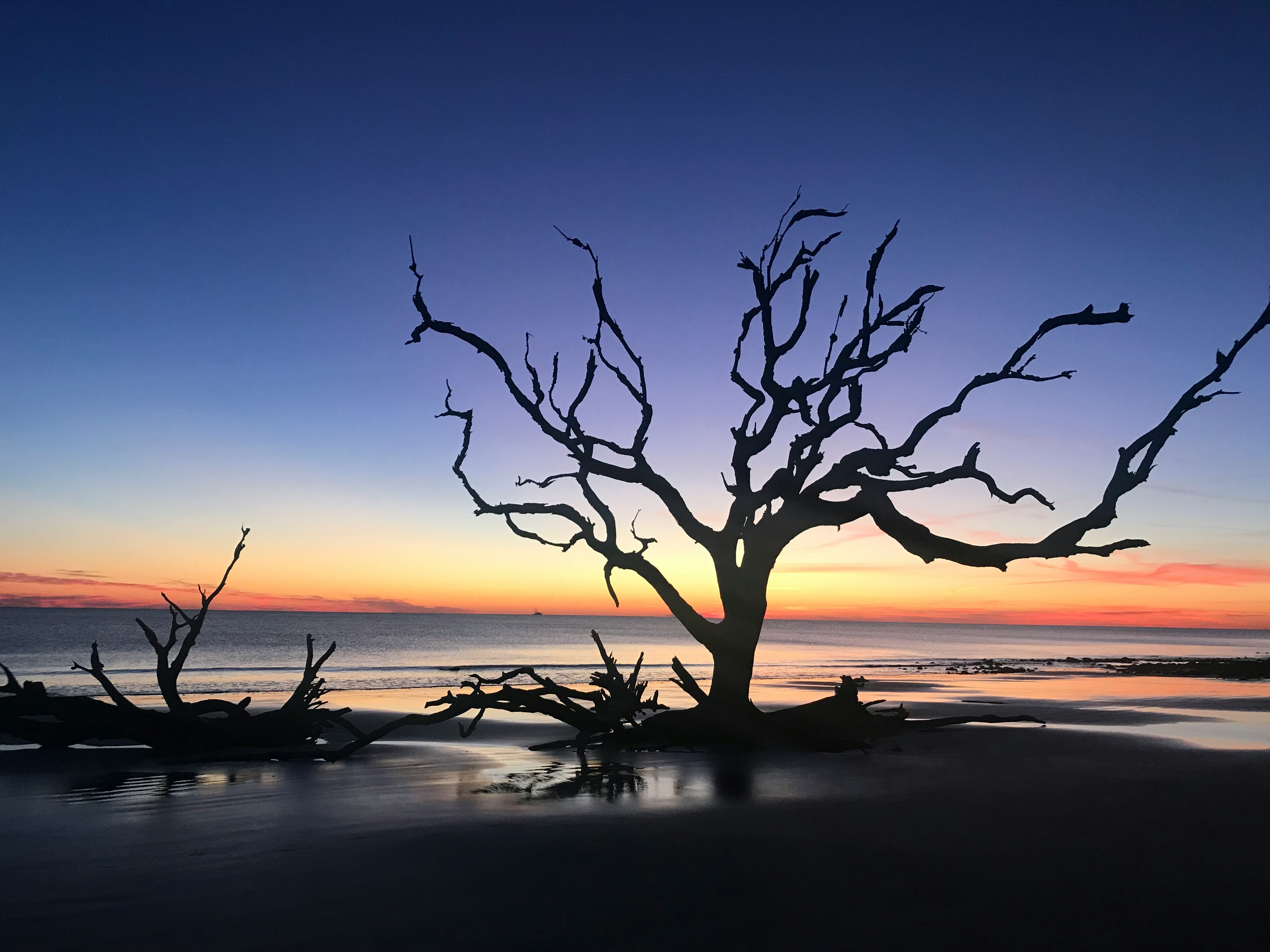
Explore the Georgia Coast
Tap a place for its local guide
- 📍SavannahHistoric squares & riverfront→
- 📍Tybee IslandSavannah's beach→
- 📍DarienShrimping town, Altamaha delta→
- 📍BrunswickGateway to the Golden Isles→
- 📍St. Simons IslandBeaches & the lighthouse→
- 📍Jekyll IslandDriftwood Beach, bike trails→
- 📍St. MarysGateway to Cumberland Island→
Today's Snapshot
St. Augustine, FL · tap a row for details
Outdoor & Coastal
Hunting & Solunar
Florida
3 seasons open now (approx.)

📋 Season Guide — general windows
Feral Hog
In seasonYear-round on private land
White-tailed Deer
In seasonAug → Feb · varies sharply by zone
FL splits into zones A/B/C/D with very different dates — check the FWC zone map.
Dove
In seasonLate Sept → mid-Jan · split seasons
Show all 6 seasonsShow fewer seasons
Waterfowl (Duck)
Nov → late Jan · early teal in Sept
Small Game
Squirrel & quail Nov → early March
Spring Turkey
Early March → April · Osceola; south of SR-70 opens first
⚠️ General 2025–26 baseline windows — not legal dates. Lower 48 states only.
Seasons are set per zone & method and change every year. Always confirm current, binding dates, bag limits, and licenses with the official agency before you hunt.
Florida FWC →Season data last verified: May 2026.
Local News
Latest Headlines
Recent news near St. Augustine, FL
Search a location above
Local news will appear after a location is selected.
Rainfall & Drought
Monthly Precipitation
Last 12 months of rainfall near St. Augustine, FL

Search a location above
Rainfall data will appear after a location is selected.


St. Augustine, FL is just getting started
Free to post — be one of the first to list an item, service, or community notice.
Get a daily your city snapshot
Today's weather, tides, local news & more — emailed each morning. Free, one tap to unsubscribe.
We email a confirmation first (double opt-in). Your address is used only for this digest and never shared. This is an informational summary, not an official emergency alert.
Advertise on CityTides
Reach locals in your city with a featured listing or sponsored post.
Get Featured →More about St. Augustine — local guide, FAQ & directions
Getting to St. Augustine
St. Augustine sits off I-95 (Exit 318) on Florida's northeast coast, about 45 minutes south of Jacksonville and roughly an hour and a half from the Brunswick area. US-1 runs through town and A1A follows the coast, crossing the bay to Anastasia Island on the landmark Bridge of Lions.
The historic district is compact and best explored on foot — narrow colonial streets, much of it pedestrian-only — so the usual move is to park once near the bayfront or the visitor center and walk. The beaches lie just across the bridge on Anastasia Island, a few minutes from downtown.
The Nation's Oldest City
Founded in 1565 by the Spanish admiral Pedro Menéndez de Avilés, St. Augustine is the oldest continuously occupied European-established settlement in the continental U.S. Its centerpiece is the Castillo de San Marcos, the oldest masonry fort in the continental United States, built of coquina — a soft local shell stone that absorbed cannon fire rather than shattering.
Beyond the fort, the pedestrian-only St. George Street and the Colonial Quarter recreate the Spanish colonial town, while Flagler College — the lavishly restored former Ponce de León Hotel built by railroad magnate Henry Flagler in the 1880s — and the neighboring Lightner Museum show off the city's Gilded Age second act. The Bridge of Lions, with its marble lions and twin towers, ties the old city to the beaches.
The beaches and the tide
St. Augustine's beaches sit on Anastasia Island, just across the Bridge of Lions: St. Augustine Beach, with its pier and walkable beach town, and the natural dunes and tidal lagoon of Anastasia State Park. To the north, across the inlet, Vilano Beach offers another wide stretch of sand.
All of it runs on the tide. The sand is broadest and firmest at low water, and the St. Augustine Inlet and the Matanzas River that wrap the city are strongly tidal — shaping the boating, the inlet fishing, and the paddling as much as the beaches. Checking the day's highs and lows is part of planning any time on the water here.
The lighthouse, Anastasia, and the outdoors
The St. Augustine Lighthouse & Maritime Museum, with its distinctive black-and-white spiral tower, stands on Anastasia Island and is climbable for sweeping views over the city, the inlet, and the Atlantic. At its foot, the museum tells the maritime story of the nation's oldest port.
Anastasia State Park packs beach, dunes, a tidal salt-run lagoon for paddling, and maritime hammock into one preserve just minutes from downtown. Farther south down A1A, Fort Matanzas National Monument — a small coquina Spanish watchtower reached by a free park ferry — guards the southern inlet, and Washington Oaks Gardens State Park shows off the unusual coquina rock formations along its shore.
Best beaches near St. Augustine
Closest at hand are St. Augustine Beach and the dune-backed sand of Anastasia State Park, with Vilano Beach just north across the inlet. A short way down the coast, Crescent Beach offers a quieter stretch toward Fort Matanzas.
To the north, A1A runs up through Ponte Vedra Beach and the undeveloped Guana reserve toward the Jacksonville Beaches; to the south it continues past Marineland and Washington Oaks toward Flagler Beach and on to Daytona. The whole northeast Florida coast is one nearly continuous run of barrier-island beach.
Weather and the seasons
St. Augustine has the coast's humid subtropical climate: hot, humid summers with afternoon thunderstorms, and mild winters that rarely freeze, which helps make it a year-round destination. Hurricane season runs June through November, and the low-lying historic bayfront has seen flooding in major storms, so the tropics are worth watching in late summer and fall.
Spring and fall are the most comfortable and scenic times to visit, with the historic district at its best in mild weather. Summer brings heat, humidity, and the biggest crowds, while the mild winters — and the city's famous Nights of Lights holiday display — keep visitors coming even in the cooler months.
St. Augustine: Frequently Asked Questions
What can I check on CityTides for St. Augustine, FL?
Weather and alerts, tide times, traffic on US-1, A1A, and the Bridge of Lions, gas prices, dining, events, vacation rentals and real estate, and a local Buy & Sell board for the St. Augustine area.
Is St. Augustine really the oldest city in the U.S.?
St. Augustine was founded by the Spanish in 1565 and is the oldest continuously occupied European-established settlement in the continental United States — more than 40 years older than Jamestown.
Does CityTides show tide times for St. Augustine?
Yes. The beaches on Anastasia Island, the St. Augustine Inlet, and the Matanzas River are all strongly tidal, so CityTides shows the day's highs and lows for boating, fishing, and the beach.
Nearby: Jacksonville Beaches, FL · Daytona Beach, FL · Amelia Island, FL · All Florida cities